

Aug 10, 2026
HOST SPOTLIGHT: COURTNEY MCLEAN, GAME PRODUCER
Inside The Go Game: A closer look at the work behind the play, with Game Producer Courtney McLean.
Read More
 Dates going fast
December dates get snapped up faster than the last cookie at the party. Tuck yours away while the picking's good.
Reserve Your Holiday Date
Expert tips, event ideas, and corporate culture insights from 25+ years of team building.
Inside The Go Game: A closer look at the work behind the play, with Game Producer Courtney McLean.

Take your next company outing outside the meeting room. These 19 outdoor activities — from city races to beach Olympics — build trust, boost morale, and create lasting memories.

A round at TopGolf or a night at the ballpark is genuinely fun, but when your goal is a team that works better together, how the experience is designed is what changes the result.
Ditch the bar routine—try five Austin experiences that spark real connection and memories. From a citywide scavenger hunt to bat-watching under the bridge, these picks bring teams together.

Fresh, team-focused activities across San Francisco—from hands-on workshops and food tours to outdoor adventures and immersive experiences. Perfect for groups of 10 to 500+.

If you've attended a Go Game event somewhere across North America in the last decade and a half, there's a decent chance Matt had something to do with it.

Some people run events. Others make them click. Seth’s there when it comes alive, and that’s been true for a while now.

Somewhere between “just circling back” and your fourth coffee, there’s a quiet realization happening across offices everywhere. Being back in person is not the same as being connected. The desks are the same, the Slack channels are the same, the calendars are just as full, but the energy can feel a little flat. Because proximity is not the same as interaction, and interaction is not the same as connection. That part takes intention.

In a tech landscape dominated by unicorns, burn rates, and billion-dollar exits, one Silicon Valley company quietly chose a different path — and thrived. The Go Game, born in San Francisco in 2001, didn’t raise a dollar of venture capital. Instead, it built something even rarer: a profitable, scalable, tech-driven business that has lasted over two decades while spreading joy to teams across the world. This is a story that defies startup gravity. It’s about staying small enough to be thoughtful — and big enough to make an impact.


At The Go Game, we understand that team-building isn’t just a buzzword—it’s a powerful tool for fostering collaboration, boosting morale, and driving performance across the entire company. Whether you're managing a global workforce, a fast-growing startup, or a single department, we specialize in creating customizable, high-energy experiences that engage every member of your team. From senior leadership to new hires, we’ve got something for everyone, ensuring your next event is not only fun but also impactful. Whether you’re looking to break down silos, energize a sales team, or simply shake up the usual meeting routine, we’re here to make it happen.

Traditional training methods just aren’t cutting it in today’s fast-paced, distraction-filled world. Employees are expected to keep up with more information, new technologies, and ever-changing customer needs, all while managing heavy workloads. The problem? Long workshops, hours of reading, and extensive manuals aren’t practical or effective anymore. Employees don’t have time for this, and their attention spans are shorter than ever.
Tell us about your event and we'll take care of the rest.
These top-rated corporate team building activities keep teams engaged, energized, and coming back year after year.

The game that put us on the map
Looking for the ultimate scavenger hunt adventure game? Our Classic Adventure has options for every budget and team.
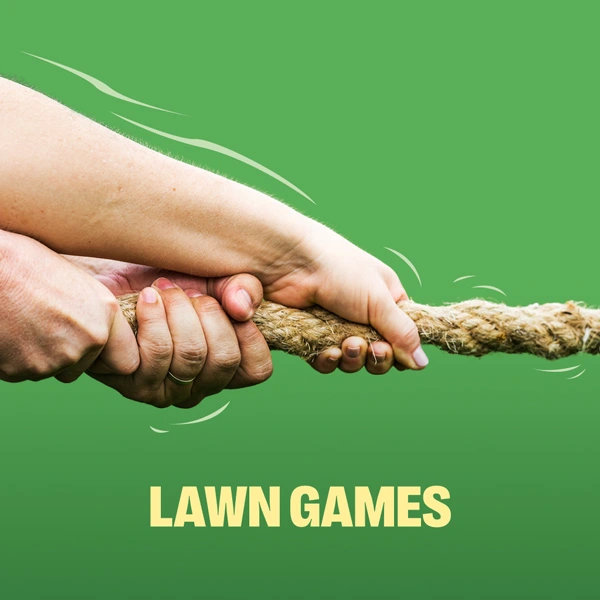
Have a field day!
Get back that campy feeling with your teams and play Lawn Games! Compete in hilarious field day-inspired challenges and have a blast.

We Bring Our Renowned Game Show to You
With over 25 years of run-time, our Original IRL Game Show team building experience is the industry standard.
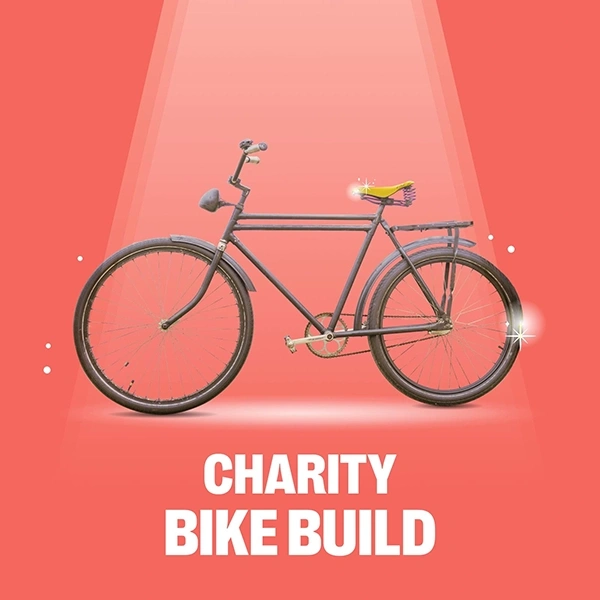
Build Bikes for Kids!
Give back to your local community and have fun with our Charity Bike Build challenge. This popular charity CSR game is a great way to gather and support a great cause.
See how teams like yours created unforgettable experiences with The Go Game.

For Silence the Shame, Morehouse College combined classic lawn games with The Go Game app to create an afternoon of friendly competition, new connections, and just enough bragging rights to keep things interesting.

When it comes to team building, one great event is memorable. A team that comes back again and again? That is something more.